
Overview
Electrical Stimulation (ES) including neuromuscular electrical stimulation (NMES) and transcutaneous electrical nerve stimulation (TENS) is widely used in sports medicine and rehabilitation. Its application in tendon and ligament recovery has shown potential benefits, while it’s also gaining traction in veterinary medicine, particularly for chronic pain and joint conditions like arthritis.
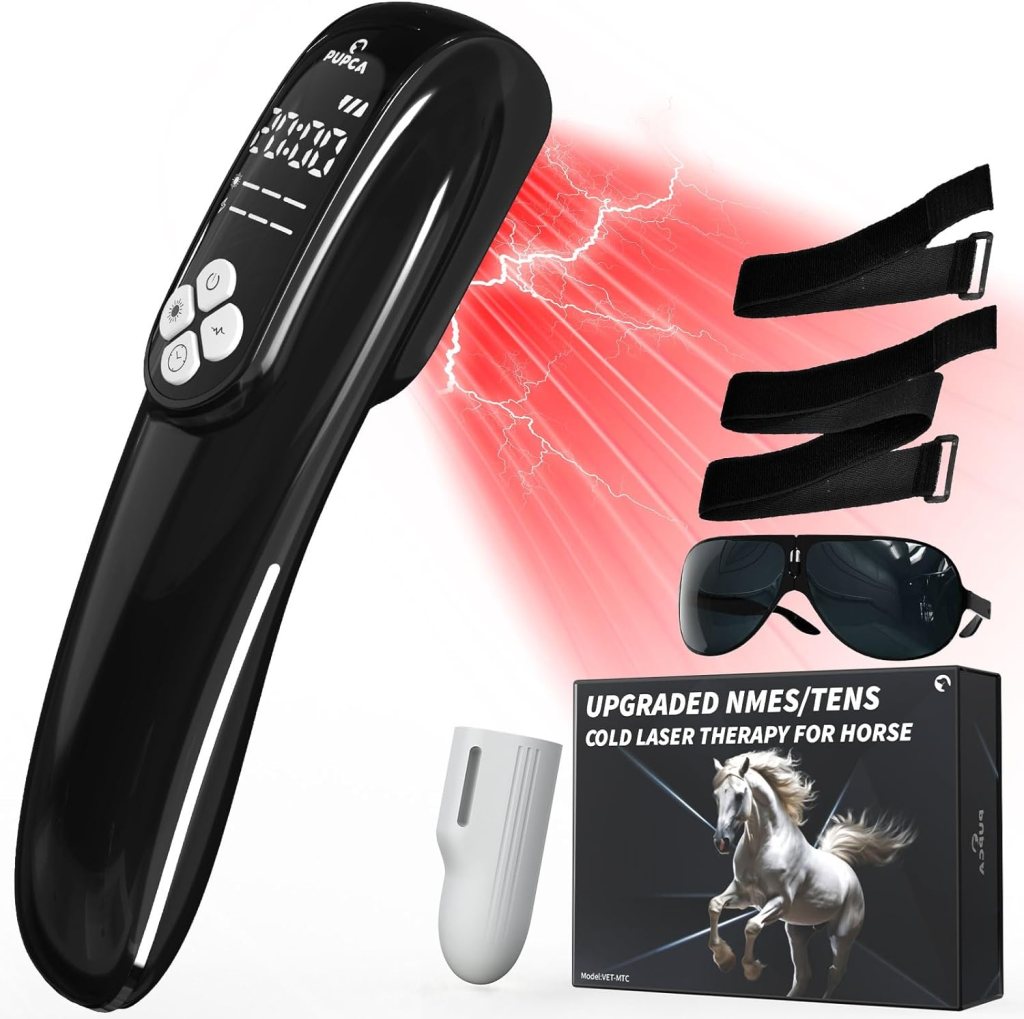
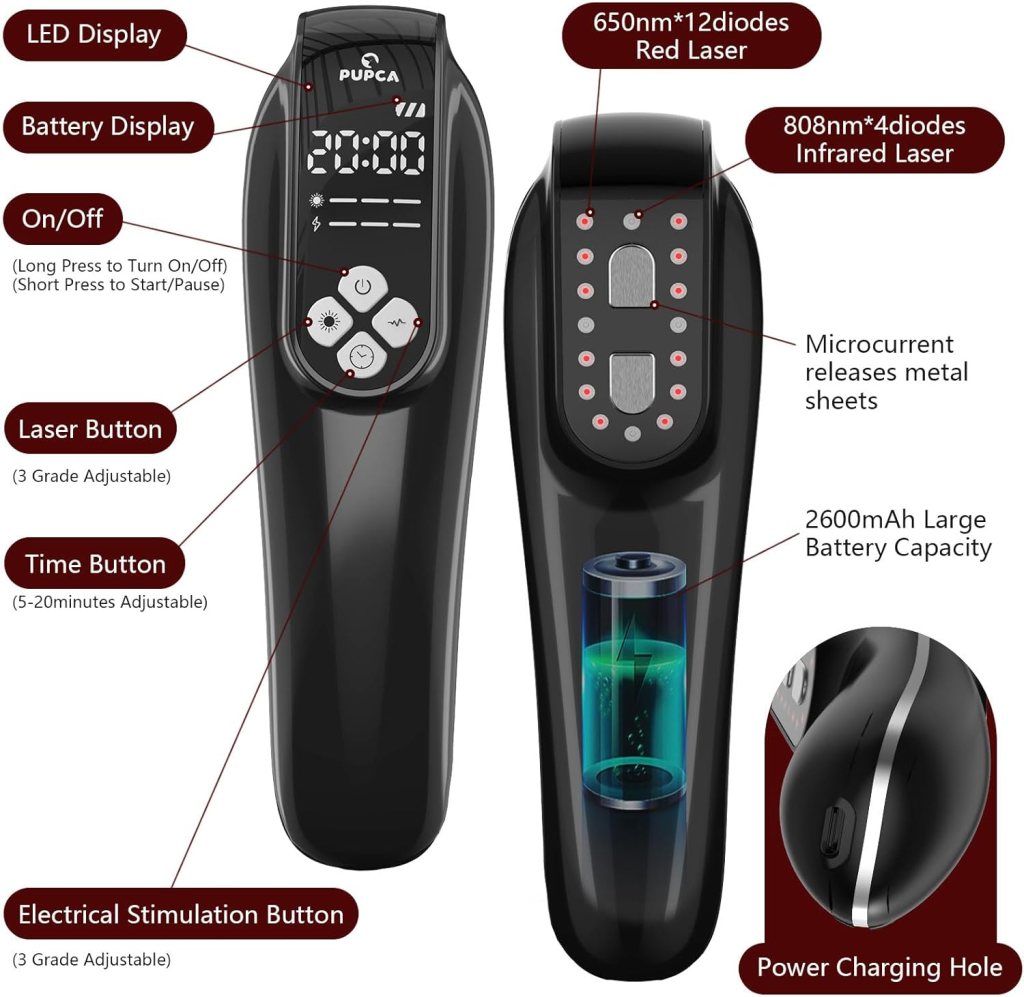
You can purchase item here https://amzn.to/4lbisTe
Mechanisms of Action
In both humans and animals, ES helps in recovery by:
- Stimulating collagen synthesis and tissue repair
- Enhancing circulation for improved nutrient and oxygen delivery
- Activating muscles to prevent atrophy during disuse
- Modulating pain through neural pathways (especially with TENS)
Tendon and Ligament Recovery: How Well It Works
In Humans and Animals
- Tendon Recovery: ES has been shown to improve collagen organization and tensile strength, particularly in the early post-injury or post-surgical phase.
- Ligament Recovery: ES helps support surrounding muscle function (e.g., quadriceps in ACL rehab) but direct ligament healing benefits are less consistent.
- In Animals: Veterinary use of ES in tendon or ligament injuries (, suspensory ligament desmitis in horses) is promising but still developing in terms of standard protocols.
Personal Experience: Electrical Stimulation for My Horse with Neck Arthritis
In addition to tendon/ligament rehab, ES can also be useful for managing equine arthritis, particularly in areas like the cervical spine, where mobility and comfort are often compromised.
My Horse’s Case:
My horse, diagnosed with neck arthritis, responded well to electrical stimulation therapy. After several sessions:
- I observed improved flexibility and range of motion in the neck.
- There was a noticeable reduction in stiffness and discomfort, especially during grooming and tacking.
- She also appeared more relaxed under saddle, with better head carriage and less resistance to bending.
These results are consistent with reports from equine physiotherapists who use TENS or NMES to manage chronic joint pain and muscle compensation patterns in horses. While it may not reverse arthritic changes, it can significantly improve quality of life and movement comfort.
Limitations and Considerations
- ES is not curative for arthritis or structural ligament damage, but it’s a valuable adjunct therapy.
- Results can vary based on placement, frequency, and patient (or animal) response.
- Veterinary use of ES should always be guided by a qualified practitioner to avoid overstimulation or improper use.
Conclusion
Electrical stimulation is an effective supportive tool in tendon and ligament healing, and it shows great promise in managing chronic conditions like neck arthritis in both humans and animals. In your horse’s case, the improvement in comfort and motion speaks to the real-world benefits of integrating ES into a holistic rehab and pain management plan.
Thank you
You can purchase this item here https://amzn.to/4lbisTe

 Equine and Human Wellness